

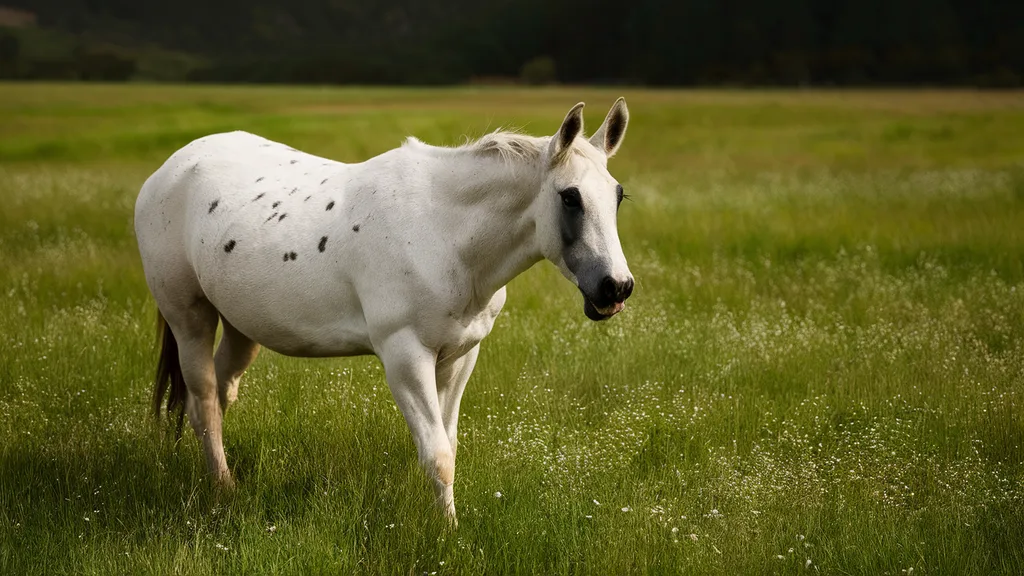
The mule is one of the most fascinating and useful animals in human history. Known for its strength, endurance, intelligence, and adaptability, the mule has served humanity for thousands of years in agriculture, transportation, military operations, and exploration. A mule is a hybrid animal produced by crossing a male donkey, known as a jack, with a female horse, known as a mare. This unique combination results in an animal that often inherits the best qualities of both parents, making it one of the most reliable working animals in the world.
Throughout history, mules have played a critical role in building civilizations, carrying supplies across difficult terrain, and supporting farming communities. Even in the modern age, where machinery dominates many industries, mules continue to be valued in regions where rough landscapes and challenging conditions make mechanized equipment impractical. Understanding the characteristics, history, behavior, and care of mules helps explain why these remarkable animals remain important today.
What Is a Mule?
A mule is a hybrid animal created through the breeding of a male donkey and a female horse. This crossbreeding produces an animal that combines the physical strength of a horse with the hardiness and intelligence of a donkey. Mules generally possess long ears similar to donkeys, but they often have body structures that resemble horses. Their appearance may vary depending on the breeds of the horse and donkey involved in the breeding process.
Mules are known for their exceptional endurance and ability to work under demanding conditions. They are often preferred over horses for tasks that require stability, patience, and resilience. Due to their hybrid nature, most mules are sterile and cannot reproduce, which makes each mule the result of intentional breeding.
The History of Mule
The history of mules dates back thousands of years. Ancient civilizations quickly recognized the advantages of these hybrid animals and used them extensively for transportation and agricultural work. Historical records indicate that mules were highly valued in ancient Egypt, Greece, Rome, and other early societies.
As trade routes expanded and civilizations grew, the demand for dependable pack animals increased. Mules became essential for transporting goods across mountains, deserts, and rugged landscapes. Their ability to carry heavy loads while requiring less food than horses made them economically valuable. Throughout the Middle Ages and into the modern era, mules remained indispensable for military campaigns, farming operations, and commercial transportation.
Physical Characteristics of Mule
One of the most interesting aspects of mules is their combination of traits inherited from both horses and donkeys. Mules typically have strong muscles, durable hooves, and excellent balance. Their bodies are often more compact than those of horses, allowing them to navigate difficult terrain with ease.
The ears of a mule are usually longer than a horse’s ears but shorter than a donkey’s. Their coats come in a wide variety of colors, depending on the genetics of their parents. Mules generally possess excellent stamina and can work for extended periods without becoming exhausted. Their strong skeletal structure contributes to their ability to carry heavy loads and perform physically demanding tasks.
Mule Behavior and Intelligence
Mules are widely recognized for their intelligence. Unlike some misconceptions that describe them as stubborn, mules are actually highly cautious and thoughtful animals. Their behavior often reflects a strong sense of self-preservation. Rather than blindly following commands, a mule tends to evaluate situations before acting.
This intelligence makes mules easier to manage in dangerous environments. They are less likely to panic than horses and often demonstrate remarkable problem-solving abilities. Their calm temperament and reliability have contributed significantly to their popularity among farmers, ranchers, and trail riders.
Training a mule requires patience, consistency, and mutual trust. Once properly trained, mules often develop strong bonds with their handlers and demonstrate exceptional loyalty.
Mules in Agriculture
Agriculture has long been one of the primary areas where mules excel. Farmers around the world have relied on mules to plow fields, transport crops, pull wagons, and perform a variety of labor-intensive tasks. Their strength and endurance make them particularly valuable for agricultural operations in regions where tractors and machinery may not be practical or affordable.
Mules can work efficiently in hot climates and difficult terrain. Their ability to consume less feed than horses while maintaining strong performance levels makes them a cost-effective choice for many farming communities. Even today, mule continue to support sustainable agricultural practices in various parts of the world.
Mule as Pack Animals
The role of the pack mule is legendary. Throughout history, mule have transported supplies through mountains, forests, deserts, and remote wilderness areas. Their sure-footed nature allows them to navigate narrow trails and steep slopes that may be inaccessible to vehicles.
Modern hikers, hunters, and outdoor enthusiasts continue to use pack mule for transporting equipment and supplies into remote locations. Their ability to carry significant loads over long distances without fatigue remains unmatched by many other working animals.
Mule Care and Management
Proper mule care is essential for maintaining health, performance, and longevity. Like horses and donkeys, mules require balanced nutrition, clean water, regular exercise, and routine veterinary care. Their diets typically consist of hay, pasture grasses, and specialized feed when necessary.
Regular hoof maintenance is particularly important because healthy hooves are essential for a mule’s mobility and work performance. Vaccinations, parasite control, and dental examinations should also be part of a comprehensive health management program.
Providing adequate shelter protects mules from extreme weather conditions. Additionally, social interaction and mental stimulation contribute to their overall well-being. Mules thrive in environments where they receive consistent care and positive human interaction.
Mule vs Horse: Key Differences
Many people compare mule to horses because of their similar appearance. However, several important differences distinguish these animals. Mule generally possess greater endurance and require less food than horses. They are often more resistant to disease and can tolerate harsh environmental conditions more effectively.
While horses may excel in speed and certain competitive activities, mules are frequently preferred for tasks requiring endurance, stability, and sure-footedness. Their intelligence and cautious nature make them reliable companions in challenging environments.
These differences explain why many experienced handlers choose mules for demanding work and long-distance travel.
Why Mules Remain Important Today
Despite advances in technology and transportation, mules continue to serve valuable roles around the world. In many rural and mountainous regions, they remain essential for agriculture, transportation, tourism, and conservation efforts. Their unique combination of strength, intelligence, and endurance ensures their continued relevance in modern society.
Mules also play an important role in recreational activities such as trail riding, packing expeditions, and educational programs. Their adaptability allows them to thrive in a variety of settings while providing practical benefits to humans.
Conclusion
The mule stands as one of the most remarkable hybrid animals ever developed. Combining the best qualities of horses and donkeys, mules offer exceptional strength, endurance, intelligence, and reliability. From ancient civilizations to modern agricultural communities, these hardworking animals have consistently demonstrated their value. Whether used for farming, transportation, recreation, or pack work, mules continue to prove their worth across the globe. Their unique characteristics and enduring usefulness ensure that they will remain important companions and working animals for generations to come.
Frequently Asked Questions (FAQ)
What is a mule?
A mule is a hybrid animal produced by breeding a male donkey with a female horse.
Why are mules so popular as working animals?
Mules are valued for their strength, endurance, intelligence, and ability to work in difficult conditions.
Are mules stronger than horses?
Mules often demonstrate greater endurance and load-carrying efficiency relative to their size.
Can mules reproduce?
Most mules are sterile and cannot produce offspring.
How long do mules live?
With proper care, many mules can live between 30 and 40 years or even longer.
What do mules eat?
Mules primarily eat hay, grass, pasture forage, and specially formulated feeds when needed.
Are mules intelligent?
Yes, mules are widely recognized for their intelligence, caution, and problem-solving abilities.
What are mules used for today?
Mules are used in agriculture, transportation, trail riding, packing expeditions, tourism, and conservation projects worldwide.