

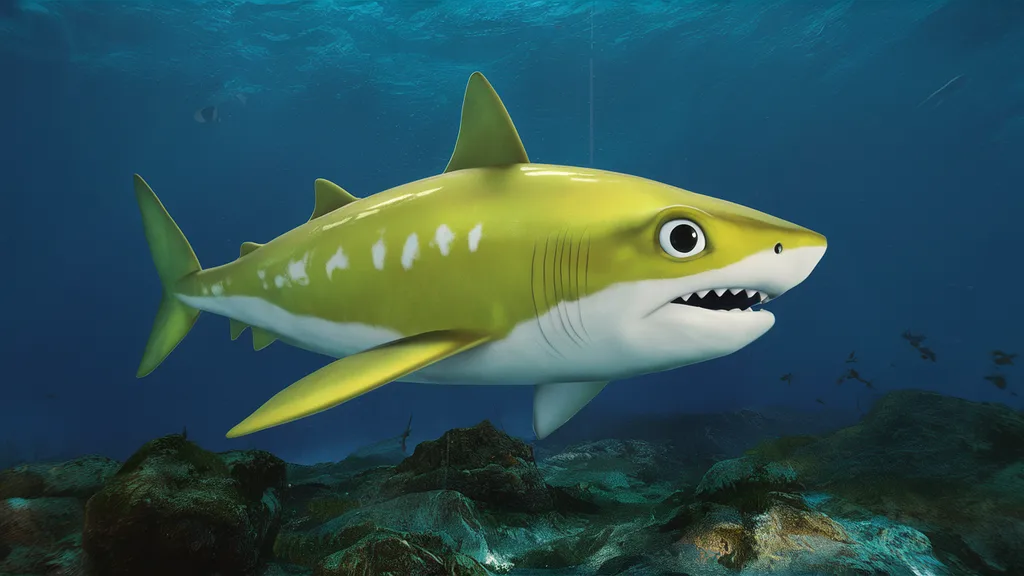
The lemon shark is one of the most recognizable and extensively researched shark species in the world. Known for its distinctive yellowish-brown coloration, this fascinating marine predator inhabits warm coastal waters and plays a vital role in maintaining the balance of ocean ecosystems. Unlike many shark species that spend much of their lives in deep waters, lemon sharks are commonly found in shallow coastal environments, making them one of the easiest sharks for scientists to study in their natural habitat.
Over the years, the lemon shark has attracted the attention of marine biologists, conservationists, and wildlife enthusiasts because of its unique behavior, social interactions, and ecological importance. Despite the widespread fear often associated with sharks, lemon sharks are generally considered less aggressive toward humans than many other shark species. Understanding their biology, behavior, and role in marine ecosystems helps us appreciate the importance of protecting these remarkable animals and the habitats they depend upon.
What Is a Lemon Shark?
The lemon shark is a large shark species scientifically known as Negaprion brevirostris. It belongs to the family Carcharhinidae, which includes many well-known coastal shark species. The name “lemon shark” comes from its distinctive yellowish or light brown coloration that provides effective camouflage in sandy coastal environments. This coloration helps the shark blend seamlessly with the ocean floor, making it easier to approach prey without detection.
Adult lemon sharks can grow to lengths of more than 10 feet and weigh several hundred pounds. Their robust bodies, broad heads, and powerful tails make them highly efficient predators. Although they may appear intimidating due to their size, lemon sharks are generally known for their calm and predictable behavior when compared to some other large shark species.
Physical Characteristics of the Lemon Shark
One of the most distinctive features of the lemon shark is its unique coloration. The yellowish hue allows it to remain hidden in shallow waters where sunlight reflects off sandy bottoms. This natural camouflage provides a significant advantage during hunting and helps protect younger sharks from potential predators.
Lemon sharks possess strong muscular bodies designed for endurance and efficient swimming. Their dorsal fins are nearly equal in size, a characteristic that helps distinguish them from many other shark species. Their eyes are well adapted for detecting movement in varying light conditions, enabling them to hunt effectively during both day and night.
The shark’s streamlined body structure minimizes resistance in the water, allowing it to move gracefully through coastal habitats. Combined with powerful jaws and rows of sharp teeth, these physical adaptations make the lemon shark a highly effective marine predator.
Lemon Shark Habitat
The lemon shark is primarily found in tropical and subtropical waters throughout the Atlantic Ocean and parts of the eastern Pacific Ocean. These sharks commonly inhabit coastal environments, including mangrove forests, coral reefs, lagoons, estuaries, and shallow bays.
One of the most important aspects of lemon shark habitat is the presence of nursery areas. Juvenile lemon sharks often spend their early years in protected mangrove ecosystems where they are less vulnerable to larger predators. These sheltered environments provide abundant food resources and relatively safe conditions for growth and development.
As they mature, lemon sharks gradually move into larger coastal habitats while still maintaining a preference for relatively shallow waters. Their tendency to remain close to shore makes them more accessible for scientific observation than many deep-sea shark species.
Lemon Shark Diet and Feeding Behavior
The lemon shark is a carnivorous predator with a diverse diet. Its feeding habits vary depending on age, size, habitat, and prey availability. Young lemon sharks typically consume small fish, crustaceans, and mollusks. As they grow larger, their diet expands to include larger fish species, rays, squid, and occasionally smaller sharks.
Lemon sharks are opportunistic hunters that rely on both stealth and speed. Their coloration allows them to approach prey unnoticed before launching a quick and powerful attack. Unlike some shark species that rely solely on bursts of speed, lemon sharks often patrol coastal waters methodically while searching for feeding opportunities.
Scientific studies have shown that lemon sharks possess impressive sensory capabilities. They can detect electrical signals produced by potential prey, helping them locate hidden animals even in murky water. This advanced sensory system significantly enhances their hunting success.
Lemon Shark Behavior and Social Structure
One of the most intriguing aspects of lemon shark biology is their social behavior. For many years, sharks were believed to be largely solitary animals. However, research involving lemon sharks has revealed evidence of social interactions and group behavior.
Lemon sharks often form loose aggregations in certain areas, particularly during specific life stages or environmental conditions. Scientists have observed that individual sharks may repeatedly associate with the same companions over extended periods. This behavior suggests a level of social organization not commonly associated with sharks.
Additionally, lemon sharks have demonstrated learning abilities and memory retention. Research indicates that they can recognize patterns, learn from experiences, and adapt their behavior accordingly. These findings have contributed significantly to our understanding of shark intelligence.
Reproduction and Life Cycle of Lemon Sharks
Lemon sharks reproduce through internal fertilization and give birth to live young rather than laying eggs. Female lemon sharks typically return to shallow nursery habitats to give birth after a gestation period of approximately one year.
A litter may contain several pups, each measuring around two feet in length at birth. The young sharks receive no parental care after birth and must immediately begin hunting and avoiding predators on their own.
Growth is relatively slow, and lemon sharks may take more than a decade to reach sexual maturity. This slow reproductive rate makes populations particularly vulnerable to environmental pressures and overfishing, highlighting the importance of conservation efforts.
The Role of Lemon Sharks in Marine Ecosystems
Lemon sharks serve as important apex and mesopredators within coastal ecosystems. By regulating populations of fish and other marine organisms, they help maintain ecological balance and biodiversity.
Predators such as lemon sharks influence the behavior and distribution of prey species, preventing overpopulation and promoting healthier ecosystems. Their presence contributes to the stability of food webs and supports the overall health of marine environments.
When shark populations decline, significant ecological disruptions can occur. Therefore, protecting lemon sharks is essential not only for the species itself but also for the broader ocean ecosystems that depend on balanced predator-prey relationships.
Lemon Shark Conservation
Although lemon shark are not currently considered among the most endangered shark species, they face several conservation challenges. Habitat destruction, coastal development, pollution, and overfishing all pose threats to their long-term survival.
Mangrove forests, which serve as critical nursery habitats, are being lost in many parts of the world due to human activities. This habitat loss can significantly impact juvenile shark survival rates. Additionally, accidental capture in commercial fishing operations remains a concern for many shark populations.
Conservation organizations and marine researchers continue to monitor lemon shark populations and advocate for habitat protection. Sustainable fishing practices, marine protected areas, and public education initiatives play important roles in ensuring the future of this species.
Interesting Lemon Shark Facts
Lemon sharks are among the most studied shark species due to their accessibility and predictable behavior. Their yellowish coloration inspired their common name and provides excellent camouflage in coastal waters. These sharks can live for more than 25 years under favorable conditions and have demonstrated surprisingly advanced learning capabilities in scientific studies. Researchers have even documented social preferences among individual lemon sharks, challenging long-held assumptions about shark behavior.
Conclusion
The lemon shark is a remarkable marine predator that combines strength, intelligence, adaptability, and ecological importance. From its unique coloration and fascinating social behavior to its critical role in maintaining healthy marine ecosystems, this species represents one of the ocean’s most intriguing animals. Continued research and conservation efforts are essential to protecting lemon sharks and the coastal habitats they rely upon. By understanding and appreciating these extraordinary creatures, we can help ensure that future generations continue to benefit from the biodiversity and ecological balance they support.
Frequently Asked Questions (FAQ)
What is a lemon shark?
A lemon shark is a large coastal shark species known for its yellowish coloration and scientific name Negaprion brevirostris.
Why is it called a lemon shark?
It is named for its yellow-brown coloration, which resembles the color of a lemon and helps provide camouflage.
Where do lemon sharks live?
Lemon sharks inhabit tropical and subtropical coastal waters, including mangroves, estuaries, lagoons, and coral reef systems.
What do lemon sharks eat?
Their diet includes fish, squid, crustaceans, rays, and occasionally smaller sharks.
Are lemon sharks dangerous to humans?
Lemon sharks are generally considered less aggressive than many other shark species and rarely pose a threat to humans.
How large can a lemon shark grow?
Adult lemon sharks can exceed 10 feet in length and weigh several hundred pounds.
How do lemon sharks reproduce?
They give birth to live young after internal fertilization and a gestation period of about one year.
Why are lemon sharks important to marine ecosystems?
They help regulate prey populations and maintain ecological balance within coastal marine environments.