

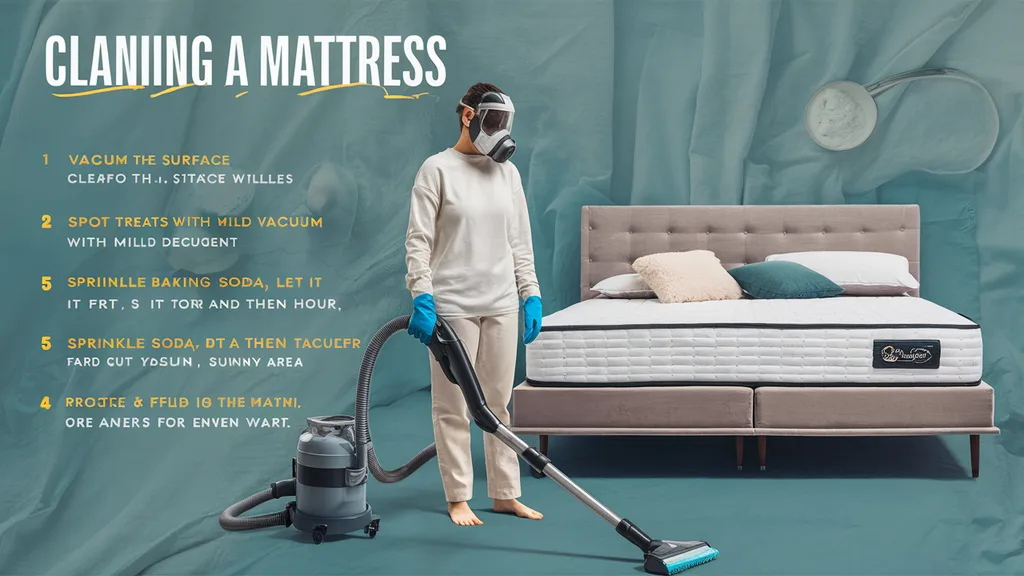
A mattress is one of the most frequently used items in any home, yet it is often one of the most overlooked when it comes to cleaning and maintenance. Over time, mattresses accumulate dust, sweat, dead skin cells, allergens, bacteria, and stains that can affect both comfort and health. Learning how to clean a mattress properly is essential for maintaining a hygienic sleeping environment and extending the lifespan of your investment.
Regular mattress cleaning not only improves sleep quality but also helps reduce allergy symptoms, unpleasant odors, and the buildup of harmful microorganisms. Whether you are dealing with food spills, pet accidents, sweat stains, or simply want to refresh your bed, following the correct cleaning techniques can make a significant difference. This comprehensive guide explains everything you need to know about cleaning, deodorizing, sanitizing, and maintaining your mattress effectively.
Why Mattress Cleaning Is Important
Many people wash their sheets and pillowcases regularly but forget that the mattress itself also requires routine care. Every night, our bodies release sweat, oils, and skin cells that settle into mattress fibers. These organic materials create an ideal environment for dust mites and bacteria.
A clean mattress offers numerous benefits. It promotes better indoor air quality, reduces allergy triggers, prevents unpleasant smells, and contributes to healthier sleep. Proper maintenance can also prevent premature wear and keep the mattress feeling comfortable and supportive for many years. Investing a little time in regular cleaning can help protect both your health and your mattress.
Supplies Needed to Clean a Mattress
Before beginning the cleaning process, gather the necessary materials. Having everything ready makes the job easier and more efficient.
Recommended supplies include:
- Vacuum cleaner with upholstery attachment
- Baking soda
- Mild dish soap
- White vinegar
- Clean microfiber cloths
- Spray bottle
- Hydrogen peroxide (for stubborn stains)
- Warm water
- Soft-bristle brush
- Mattress protector
These common household items can handle most mattress cleaning tasks without requiring expensive professional products.
Step-by-Step Guide on How to Clean a Mattress
Step 1: Remove All Bedding
Begin by stripping the mattress completely. Remove sheets, blankets, mattress protectors, pillowcases, and any other bedding. Wash these items according to the manufacturer’s instructions using hot water whenever possible to eliminate dust mites and bacteria.
This step creates a clean foundation and prevents contaminants from transferring back onto the mattress after cleaning.
Step 2: Vacuum the Entire Mattress
Using the upholstery attachment, thoroughly vacuum the mattress surface. Pay special attention to seams, edges, corners, and crevices where dust and debris tend to accumulate.
Vacuuming removes dust, pet hair, dead skin cells, and allergens that may be embedded in the fabric. For the best results, vacuum slowly and methodically to ensure maximum dirt removal.
Step 3: Spot Clean Stains
Mattress stains are common and can result from sweat, food, beverages, urine, or accidental spills. Different stains may require different treatments.
For most stains, mix a small amount of mild dish soap with warm water. Dampen a cloth with the solution and gently blot the affected area. Avoid soaking the mattress because excessive moisture can encourage mold growth.
For tougher stains, a mixture of hydrogen peroxide, baking soda, and a small amount of dish soap can be highly effective. Apply the solution lightly and blot gently until the stain begins to fade.
Always test cleaning solutions on a small, inconspicuous area before treating larger sections.
How to Remove Mattress Odors
Over time, mattresses can develop unpleasant odors caused by sweat, humidity, pets, or spills. Fortunately, odor removal is relatively simple.
Using Baking Soda
Baking soda is one of the most effective natural deodorizing agents available. Sprinkle a generous layer across the entire mattress surface and allow it to sit for several hours. For maximum odor absorption, leave it overnight if possible.
The baking soda helps neutralize odors rather than simply masking them. After the waiting period, vacuum the mattress thoroughly to remove all residue.
This method can leave your mattress smelling significantly fresher and cleaner.
How to Sanitize a Mattress
Sanitizing goes beyond ordinary cleaning by targeting bacteria and germs.
A mixture of equal parts water and white vinegar can be lightly sprayed onto the mattress surface. Vinegar possesses natural antibacterial properties and can help reduce microbial contamination.
Do not saturate the mattress. Instead, apply a light mist and allow the mattress to air dry completely in a well-ventilated room.
Exposure to sunlight can also provide natural sanitizing benefits. If practical, place the mattress near a sunny window or outdoors in direct sunlight for a few hours.
Removing Common Mattress Stains
Sweat Stains
Sweat stains are among the most common mattress blemishes. A combination of hydrogen peroxide and baking soda can effectively lighten yellow discoloration caused by body oils and perspiration.
Urine Stains
For urine stains, blot excess moisture immediately and apply a solution of vinegar and water. Follow with baking soda to absorb lingering odors and moisture.
Blood Stains
Cold water works best for blood stains. Avoid hot water because it can set the stain deeper into the fabric. Hydrogen peroxide can help break down stubborn blood residue.
Food and Beverage Stains
Prompt treatment is essential. Blot spills immediately and clean with a mild soap solution before stains become permanent.
How to Deep Clean a Mattress
A deep cleaning should be performed every six months to maintain optimal hygiene.
Begin by vacuuming thoroughly, treating stains, deodorizing with baking soda, and sanitizing with a gentle cleaning solution. Allow the mattress to dry completely before replacing bedding.
Deep cleaning removes hidden contaminants that regular maintenance may miss and helps preserve the mattress’s appearance and comfort.
Preventing Future Mattress Stains and Odors
Preventive care is often easier than extensive cleaning. Several simple habits can significantly reduce mattress contamination.
Use a high-quality mattress protector to create a barrier against spills, sweat, and allergens. Wash bedding weekly and vacuum the mattress monthly. Avoid eating and drinking in bed whenever possible to minimize accidental spills.
Rotating the mattress every few months can also promote even wear and help maintain its structural integrity.
Common Mattress Cleaning Mistakes to Avoid
Many people unknowingly damage their mattresses during cleaning.
Common mistakes include:
- Using excessive water
- Scrubbing stains aggressively
- Applying harsh chemicals
- Ignoring manufacturer instructions
- Replacing bedding before the mattress is fully dry
Avoiding these errors helps preserve the mattress and prevents mold or fabric damage.
How Often Should You Clean Your Mattress?
For optimal hygiene, follow this schedule:
- Vacuum monthly
- Spot clean stains immediately
- Deodorize every three months
- Deep clean every six months
- Wash bedding weekly
- Replace mattress protectors as needed
Consistent maintenance prevents dirt and allergens from accumulating over time.
Benefits of a Clean Mattress
A properly cleaned mattress contributes to better overall well-being. Benefits include improved sleep quality, reduced allergy symptoms, fewer odors, healthier indoor air, and a longer mattress lifespan.
Regular cleaning also creates a more comfortable sleeping environment and protects your investment from premature deterioration.
Conclusion
Learning how to clean a mattress is an essential part of maintaining a healthy and comfortable home. Mattresses collect dust, allergens, sweat, bacteria, and stains over time, making regular cleaning necessary for both hygiene and longevity. By vacuuming frequently, treating stains promptly, deodorizing with baking soda, and performing deep cleaning sessions every six months, we can keep our mattresses fresh, clean, and supportive for years. Consistent care not only improves sleep quality but also helps protect one of the most important pieces of furniture in the home.
Frequently Asked Questions (FAQ)
How often should I clean my mattress?
Vacuum your mattress monthly and perform a deep cleaning every six months.
Can I use baking soda to clean a mattress?
Yes. Baking soda is excellent for removing odors and refreshing mattress surfaces naturally.
How do I remove urine stains from a mattress?
Use a vinegar and water solution, blot thoroughly, then apply baking soda to absorb odors and moisture.
Can I steam clean a mattress?
Some mattresses can be steam cleaned, but always check manufacturer recommendations before doing so.
How long does a mattress take to dry after cleaning?
Depending on humidity and airflow, drying may take several hours to a full day.
What is the best way to remove mattress odors?
Baking soda remains one of the most effective and affordable odor-removal methods.
Can mattress cleaning help with allergies?
Yes. Regular cleaning removes dust mites, allergens, and accumulated debris that can trigger allergy symptoms.
Should I use a mattress protector?
Absolutely. A mattress protector helps prevent stains, allergens, moisture damage, and extends mattress lifespan.