

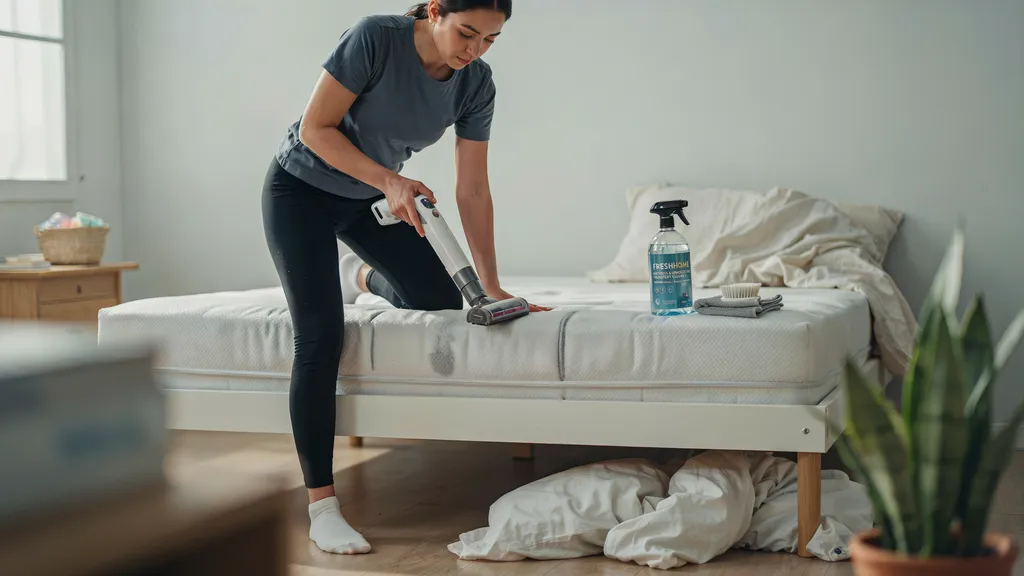
A mattress is one of the most frequently used items in every home, yet it is also one of the most neglected when it comes to cleaning. We spend nearly one-third of our lives sleeping, and during this time our mattresses accumulate dust, dead skin cells, sweat, body oils, allergens, bacteria, and unpleasant odors. Without regular maintenance, a mattress can become a breeding ground for germs and dust mites that negatively affect sleep quality and overall health.
Knowing how to clean a mattressproperly can significantly extend its lifespan, improve hygiene, and create a healthier sleeping environment. Whether you are dealing with stubborn stains, unpleasant smells, or simply want to maintain a clean and comfortable bed, following the correct cleaning techniques can restore your mattress to a fresh and sanitary condition.
This comprehensive guide explains the best methods to clean, deodorize, and maintain your mattress using simple household ingredients and effective cleaning strategies.
Why Cleaning Your Mattress Is Important
Many people change their bed sheets regularly but forget that the mattress itself requires attention. Over time, a mattress collects various contaminants, including:
- Dust mites
- Sweat and body oils
- Dead skin cells
- Food crumbs
- Pet hair and dander
- Mold spores
- Bacteria and allergens
Regular mattress cleaning provides several benefits:
- Improves sleep quality
- Eliminates unpleasant odors
- Reduces allergies and respiratory problems
- Prevents bacterial growth
- Extends mattress life
- Maintains a cleaner bedroom environment
A clean mattress contributes significantly to overall health and comfort.
Supplies Needed to Clean a Mattress
Before beginning the cleaning process, gather the following supplies:
- Vacuum cleaner with upholstery attachment
- Baking soda
- Mild dish soap
- White vinegar
- Hydrogen peroxide
- Clean microfiber cloths
- Spray bottle
- Soft brush
- Cold water
- Essential oils (optional)
Having these supplies available makes mattress cleaning easier and more effective.
Step 1: Remove Bedding and Wash Everything
The first step in cleaning a mattress is removing all bedding, including:
- Bed sheets
- Pillowcases
- Mattress protectors
- Blankets
- Comforters
Wash all fabrics in hot water whenever possible to eliminate bacteria, allergens, and dust mites. Dry them thoroughly before placing them back on the bed.
This process ensures that the mattress and bedding are cleaned simultaneously, preventing recontamination.
Step 2: Vacuum the Mattress Thoroughly
Vacuuming is one of the most important steps in mattress cleaning. Use the upholstery attachment and carefully vacuum the entire surface.
Pay special attention to:
- Seams
- Creases
- Edges
- Tufted areas
- Corners
Vacuuming removes:
- Dust
- Dirt
- Hair
- Dead skin
- Dust mites
- Allergens
For best results, vacuum both sides of the mattress if it is designed to be flipped.
Step 3: Spot Clean Mattress Stains
Different stains require different cleaning techniques. Never soak a mattress because excessive moisture can lead to mold and mildew growth.
How to Remove Sweat Stains from a Mattress
Sweat stains often appear as yellow patches.
Mix:
- One cup hydrogen peroxide
- Three tablespoons baking soda
- A few drops of dish soap
Spray lightly on the stain and allow it to sit for approximately 20 minutes. Blot with a clean cloth until the stain begins to disappear.
How to Remove Urine Stains from a Mattress
Urine stains should be treated immediately.
For Fresh Urine:
- Blot excess moisture.
- Spray a mixture of equal parts white vinegar and water.
- Sprinkle baking soda over the area.
- Allow it to sit for several hours.
- Vacuum thoroughly.
For Dried Urine:
Apply a hydrogen peroxide solution and blot repeatedly until the stain fades.
This method also removes unpleasant odors associated with urine stains.
How to Remove Blood Stains from a Mattress
Blood stains respond best to cold water.
Mix:
- Cold water
- Mild dish soap
Apply gently with a cloth and blot carefully.
Avoid using hot water because it can permanently set the stain into the mattress fibers.
Step 4: Deodorize the Mattress with Baking Soda
One of the best natural methods for mattress deodorizing is using baking soda.
Sprinkle a generous amount across the entire mattress surface.
Allow the baking soda to remain for:
- At least 30 minutes
- Preferably several hours
Baking soda absorbs:
- Moisture
- Body odors
- Sweat smells
- Musty scents
For a pleasant fragrance, mix a few drops of essential oil into the baking soda before applying.
Popular choices include:
- Lavender
- Eucalyptus
- Lemon
- Peppermint
After waiting, vacuum the mattress thoroughly.
Step 5: Air Out the Mattress
Fresh air and sunlight are powerful natural disinfectants.
If possible:
- Open windows
- Place the mattress near sunlight
- Increase room ventilation
Sunlight helps:
- Reduce bacteria
- Eliminate moisture
- Decrease odors
- Inhibit mold growth
Allow the mattress to air out for several hours before replacing bedding.
How to Deep Clean a Mattress Naturally
For an occasional deep cleaning session, follow these steps:
Step 1
Remove all bedding.
Step 2
Vacuum the entire mattress.
Step 3
Treat stains individually.
Step 4
Apply baking soda generously.
Step 5
Leave baking soda for several hours.
Step 6
Vacuum thoroughly.
Step 7
Allow the mattress to air dry.
A deep clean every six months helps maintain mattress hygiene and longevity.
How to Remove Bad Smells from a Mattress
Mattresses can develop unpleasant odors from:
- Sweat
- Humidity
- Pets
- Food spills
- Accidents
An effective deodorizing mixture includes:
- One cup baking soda
- Ten drops essential oil
Sprinkle the mixture evenly across the mattress and allow it to sit overnight.
Vacuum thoroughly the following day.
This method leaves the mattress smelling clean and refreshed.
How to Prevent Mattress Stains and Odors
Prevention is easier than intensive cleaning. We can keep our mattresses in excellent condition by following a few simple practices.
Use a Mattress Protector
A waterproof mattress protector shields the mattress from:
- Spills
- Sweat
- Dust
- Allergens
- Pet accidents
Wash Bedding Weekly
Clean bed sheets and pillowcases help reduce the transfer of:
- Dirt
- Skin cells
- Oils
- Bacteria
Vacuum the Mattress Monthly
Monthly vacuuming prevents dust accumulation and reduces allergens.
Rotate the Mattress
Rotating the mattress every three to six months promotes even wear and helps maintain comfort and cleanliness.
Keep Humidity Low
Excessive moisture can encourage mold growth.
Maintain good ventilation and use a dehumidifier if necessary.
Common Mattress Cleaning Mistakes to Avoid
Avoid these mistakes when cleaning a mattress:
Using Too Much Water
Excess moisture can lead to mold and mildew.
Using Harsh Chemicals
Strong cleaning agents may damage mattress materials.
Ignoring Stains
Fresh stains are easier to remove than old ones.
Skipping Regular Maintenance
Periodic cleaning prevents long-term buildup of dirt and allergens.
Replacing Bedding Before Drying
Always ensure the mattress is completely dry before making the bed.
How Often Should You Clean a Mattress?
A recommended cleaning schedule includes:
| Task | Frequency |
|---|---|
| Wash bedding | Weekly |
| Vacuum mattress | Monthly |
| Deodorize with baking soda | Every 2–3 months |
| Deep clean mattress | Every 6 months |
| Rotate mattress | Every 3–6 months |
Following this schedule helps maintain a fresh, hygienic sleeping environment throughout the year.
Conclusion
Learning how to clean a mattress is an essential part of maintaining a healthy and comfortable bedroom. A mattress naturally accumulates dust, allergens, body oils, and stains over time, making regular cleaning necessary for both hygiene and longevity. By vacuuming regularly, treating stains promptly, deodorizing with baking soda, and ensuring proper ventilation, we can significantly improve the cleanliness and freshness of our sleeping environment.
Consistent mattress maintenance not only removes unpleasant odors and stains but also promotes better sleep quality and reduces exposure to allergens and bacteria. With proper care and simple cleaning techniques, a mattress can remain fresh, comfortable, and supportive for many years.
Frequently Asked Questions (FAQ)
How do I clean a mattress without damaging it?
Use minimal moisture, mild cleaning solutions, spot cleaning techniques, and avoid soaking the mattress.
Can baking soda clean a mattress?
Yes. Baking soda absorbs moisture and neutralizes unpleasant odors effectively.
How often should I clean my mattress?
Vacuum monthly, deodorize every two to three months, and deep clean every six months.
Can I use vinegar to clean my mattress?
Yes. White vinegar helps remove odors and certain stains when used in moderation.
How do I remove yellow stains from a mattress?
A mixture of hydrogen peroxide, baking soda, and mild dish soap is highly effective for yellow sweat stains.
Can sunlight disinfect a mattress?
Sunlight helps reduce moisture, bacteria, and odors and is an excellent natural disinfectant.
Should I flip my mattress when cleaning it?
If the mattress is designed to be flipped, cleaning both sides is recommended for complete maintenance.