

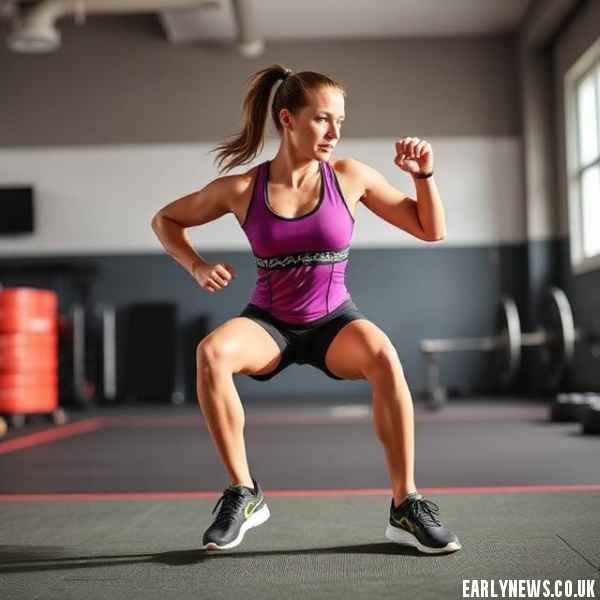
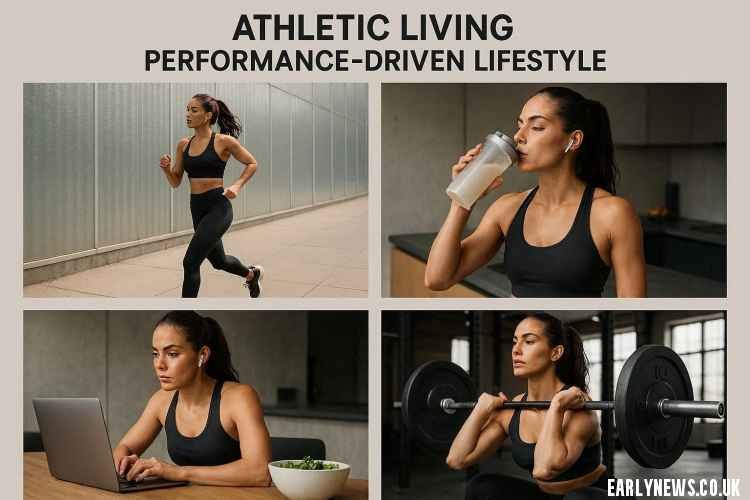
Athletic living in 2026 is far bigger than going to the gym three times a week or chasing a certain physique. It has evolved into a performance-driven lifestyle—one that blends movement, nutrition, recovery, mindset, technology, fashion, and community into everyday life. Today, fitness is no longer something you squeeze into your schedule. It’s becoming the framework around which people design their homes, routines, goals, and even their identities.
As one wellness brand perfectly puts it: “Fitness is not a hobby, it’s a lifestyle.”
That phrase captures the shift. People are moving away from all-or-nothing workout culture and embracing something more sustainable, intentional, and integrated. From wearable fitness tech ranked #1 by ACSM’s Worldwide Fitness Trends 2026, to athleisure becoming the default wardrobe, and mental health overtaking aesthetics as the top reason to exercise, athletic living now reflects a complete redefinition of modern wellness.
Whether you’re a busy parent trying to stay active, a remote worker building a home wellness space, or an athlete optimizing performance, this guide breaks down everything shaping athletic living in 2026.
What Is Athletic Living in 2026?
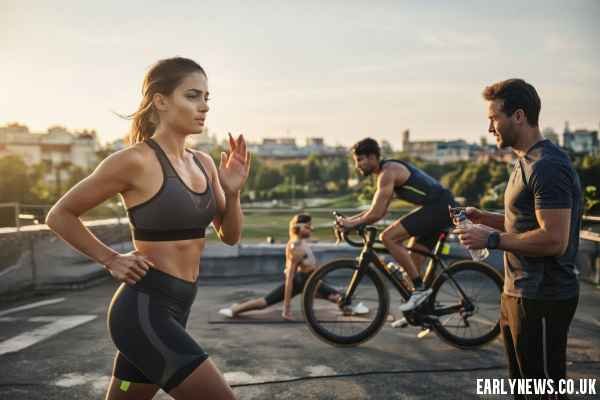
At its core, athletic living means integrating fitness into every part of daily life—not as a hobby, but as a lifestyle. It’s about intentional movement, functional strength, mental resilience, and using tools, spaces, and habits that help your body perform at its best.
Unlike traditional “fitness culture,” which often centered around appearance or rigid training plans, athletic living focuses on how you feel, function, and recover.
Core Pillars of Athletic Living
- Daily movement instead of sedentary routines
- Functional fitness that supports real-life strength
- Mind-body wellness including stress management
- Smart nutrition tailored to your body and hormones
- Recovery-first thinking (sleep, mobility, HRV)
- Athleisure and performance gear that fits all-day life
- Community-based motivation
- Intentional living over hustle culture
The athletic lifestyle isn’t reserved for elite athletes. In 2026, it’s becoming the new normal for anyone seeking energy, longevity, and purpose.
1. Flexible Fitness Replaces Rigid Gym Plans
One of the biggest shifts in athletic living 2026 is the move away from strict, punishing workout schedules.
People are finally realizing something simple but powerful:
Consistency beats intensity.
Why Flexible Fitness Is Winning
Busy lives demand adaptable solutions. Instead of forcing 90-minute gym sessions, people are choosing:
- Quick 20-minute home workouts
- Walking instead of driving
- Yoga during work breaks
- Mobility routines before bed
- Bodyweight strength sessions in living rooms
Fitness is fitting around life—not the other way around.
Functional Fitness Is the New Goal
People now want workouts that improve:
- Lifting children
- Carrying groceries
- Climbing stairs easily
- Better posture
- Joint mobility
- Daily energy levels
Functional strength isn’t glamorous—but it’s incredibly valuable.
Performance coach Marcus Rios teaches 4 non-negotiables for sustainable athletic living:
- Nutrition
- Realistic training program
- Balanced field-and-weight-room work
- Rigorous organization
That formula applies whether you’re training for a marathon or just trying to feel stronger every day.
2. Wellness-Focused Homes & Athletic Spaces
Your home is becoming part of your training plan.
In 2026, people are redesigning their living spaces to support movement, recovery, and wellness.
Top Home Upgrades for Athletic Living
Home Gyms That Actually Get Used
Forget massive luxury setups.
Most athletic homes now prioritize:
- Adjustable dumbbells
- Resistance bands
- Yoga mats
- Compact cardio machines
- Mirrors and natural light
Simple, accessible, effective.
Recovery Rooms & Wellness Corners
Recovery has become a major priority.
Popular additions include:
- Infrared saunas
- Foam rolling stations
- Meditation corners
- Cold plunge tubs
- Red light therapy devices
Athletes understand that growth happens during recovery—not just during training.
Multi-Functional Rooms
Rooms now double as:
- Office + mobility zone
- Study + yoga room
- Guest room + mini gym
People want spaces that encourage movement throughout the day.
Elite athlete Ivana Španović proves the point: athleticism can thrive anywhere—even in a plain office.
3. Wearable Technology Leads Fitness Trends
According to ACSM’s Worldwide Fitness Trends 2026, Wearable Technology ranks #1 again.
And it makes sense.
Today’s wearables do far more than count steps.
How Tech Shapes Athletic Living
Popular Athletic Tech in 2026
- Smartwatches
- Fitbit
- Whoop
- Garmin
- HRV trackers
- Continuous glucose monitors
- Sleep tracking apps
These tools help people understand:
- Recovery readiness
- Sleep quality
- Training load
- Heart rate variability
- Stress levels
- Calorie output
Mobile Fitness Apps
Athletic living now includes app ecosystems:
- Guided workouts
- Nutrition logging
- Community challenges
- Recovery reminders
- Progress tracking
Technology acts like a digital coach.
VR & AR Fitness Growth
Immersive fitness is booming, with 15%+ projected CAGR through 2030.
Virtual training environments make workouts feel more engaging and less repetitive.
4. Strength Training Goes Mainstream—for Everyone
Strength is no longer just for bodybuilders.
In 2026, everyone is lifting.
The New Shades of Strength
Growing groups prioritizing resistance training include:
- Gen Z
- Older adults
- Perimenopause & menopause women
- Weight-loss medication users
- Beginners intimidated by traditional gyms
Hybrid Strength Programs
Today’s athletes combine:
- Barbell training
- Yoga
- Pilates
- Resistance circuits
- Functional mobility work
Programs like BODYPUMP HEAVY are helping remove gymtimidation by combining music, group energy, and instructor guidance.
According to Technogym founder Nerio Alessandri, health longevity and strength training are among the most influential trends shaping the future.
5. Nutrition, Hormonal Health & Intuitive Eating
Athletic living is becoming increasingly body-literate.
People want to understand what their bodies actually need—not just follow random diet trends.
What Athletes Are Doing in 2026
Intuitive Eating Over Restrictive Diets
Fewer people are counting every calorie.
More are focusing on:
- Hunger cues
- Energy levels
- Food quality
- Sustainable habits
Hormonal Awareness
Women especially are tracking:
- Menstrual cycles
- Hormonal shifts
- Energy fluctuations
- Recovery windows
Training and nutrition now adapt to biology.
Performance Nutrition Basics
The essentials remain simple:
- Protein
- Whole foods
- Hydration
- Electrolytes
- Smart supplementation
Elite performance remains inseparable from disciplined daily habits.
6. Mental Well-Being Is the #1 Reason to Exercise
This may be the biggest cultural shift of all.
People are now exercising primarily for mental health, not appearance.
The Numbers Matter
More than 1 in 5 U.S. adults experiences a mental health condition each year.
For many, movement is now medicine.
How Exercise Supports Mental Wellness
People use workouts for:
- Stress relief
- Mood improvement
- Anxiety management
- Emotional resilience
- Better sleep
- Increased focus
Fitness is now one of the most accessible forms of therapy.
Meditation, breathing exercises, and digital detoxes are becoming standard parts of athletic living.
7. Athleisure Becomes the Default Wardrobe
In 2026, athleisure is the MVP of apparel.
It’s no longer just gym clothing.
It’s daily life clothing.
What Defines 2026 Athleisure
The winning formula:
- Cozy
- Stylish
- Sporty
Popular brands:
- Nike
- Adidas
- Gymshark
- Lululemon
- Tumi
Top Athletic Living Fashion Essentials
| Category | 2026 Essentials |
|---|---|
| Footwear | Adidas Adizero, Nike ZoomX, suede shoes, football cleats |
| Apparel | Zip-up jackets, sweat sets, plus-size sportswear |
| Bags | Tumi duffels, AHS duffels |
| Accessories | Gel insoles, compression socks |
Athleisure works for:
- Work
- Travel
- Social outings
- Training
- Recovery days
8. Community & Third Spaces Drive Motivation
People don’t just want fitness.
They want belonging.
Where Athletic Living Happens
Run Clubs & Group Training
Popular community spaces include:
- HYROX gyms
- Running clubs
- Boutique studios
- Functional fitness communities
Studies show people who attend group classes stay active 1.8 times longer.
Home Social Fitness Spaces
Even homes reflect this trend:
- Game rooms up 70%
- Backyard theaters up 4,288%
Connection is part of wellness.
9. Outdoor Recreation & Sportswear Boom
The Outdoor Sportswear Market is projected to grow from USD 47 billion (2025) to USD 78 billion by 2033.
What’s Driving Growth
- Hiking
- Running
- Cycling
- Adventure sports
- Nature-based recovery
People want movement beyond gym walls.
North America and Europe remain major leaders due to active lifestyles and higher wellness spending.
10. Intentional Living Over Hustle Culture
Perhaps the deepest trend of all:
People are questioning whether external success equals fulfillment.
Living With Intention Means
- Aligning daily choices with values
- Measuring success through energy and impact
- Prioritizing relationships
- Protecting mental peace
- Asking: “Is this life aligned with who I am?”
Gen Z and Gen Alpha are redefining ambition.
Not bigger salary.
Not busier schedules.
Better health.
Better presence.
Better purpose.
How to Start Athletic Living Today
Marcus Rios’ simple framework works for everyone.
The 4-Step Athletic Living Formula
1. Nutrition
Build disciplined daily habits.
Not fad diets.
2. Realistic Program
Create routines that fit your life.
Not routines that disrupt it.
3. Balanced Movement
Include:
- Strength
- Mobility
- Cardio
- Recovery
4. Rigorous Organization
Prepare:
- Gym clothes
- Meals
- Recovery tools
- Sleep schedule
Elite performance is systematic—not sporadic.
Final Thoughts: Athletic Living in 2026
Athletic living has become a modern blueprint for better living.
It combines:
- Wearable tech
- Functional strength
- Mental health
- Athleisure
- Community
- Intentional choices
It’s no longer about aesthetics.