

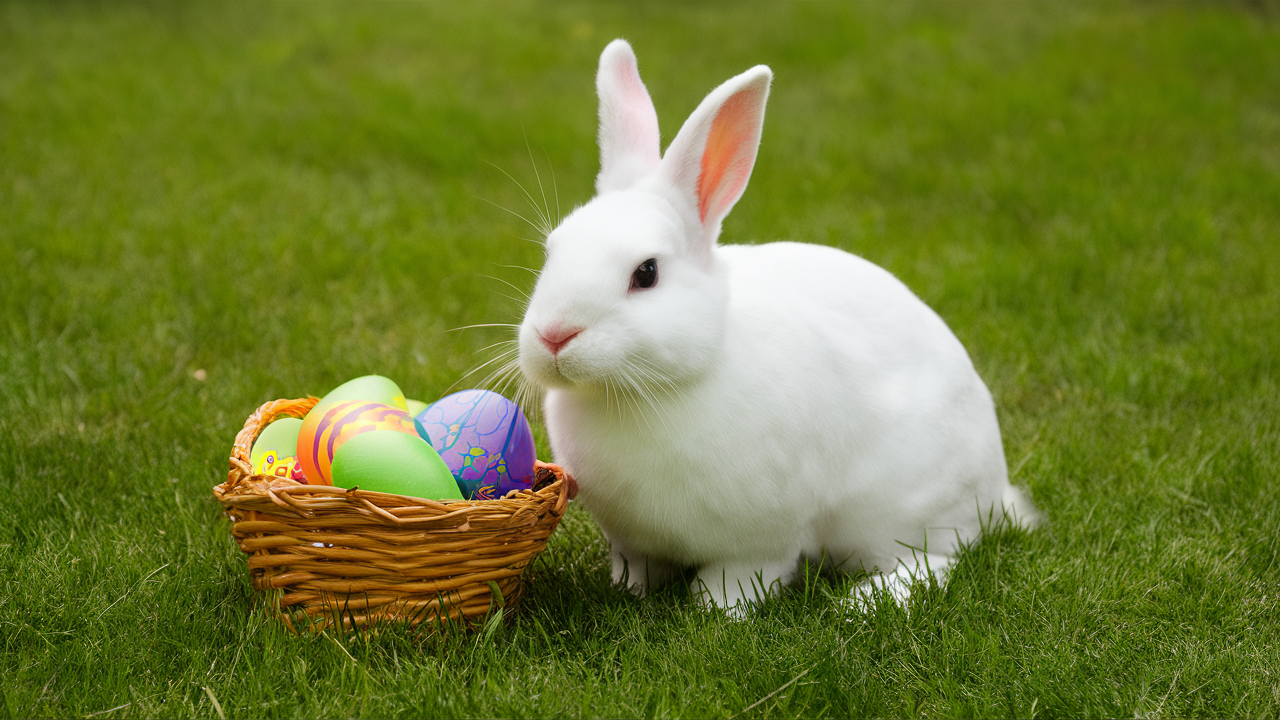
What Is the Easter Bunny?
The Easter Bunny is one of the most recognizable symbols of Easter celebrations throughout the world. Depicted as a friendly rabbit delivering colorful eggs, candy, and gifts to children, the has become deeply associated with the holiday’s festive spirit. While many people recognize the character from childhood traditions, fewer understand the rich history and cultural significance behind this beloved figure.
For generations, families have celebrated Easter with egg hunts, baskets filled with treats, and stories about a magical bunny that visits homes during the holiday season. The Easter has evolved from a regional folklore character into a globally recognized symbol that represents joy, renewal, and family togetherness. Today, the tradition continues to thrive through community events, religious celebrations, and family gatherings that bring people together every spring.
The Origins of the Easter Bunny
The origins of the Easter Bunny can be traced back several centuries to European folklore. Historians believe the tradition emerged in German-speaking regions, where stories were told about a hare that would lay colorful eggs for well-behaved children. This mythical creature, known as the “Osterhase,” became a central figure in Easter celebrations and inspired many customs that continue today.
German immigrants brought these traditions to North America during the 1700s. As communities settled in different regions, the legend of the Easter Bunny spread and adapted to local customs. Children would build nests or prepare baskets where the could leave eggs and treats. Over time, these practices evolved into the familiar Easter baskets and egg hunts enjoyed by families around the world.
The rabbit itself was chosen because of its strong association with springtime and fertility. Rabbits are known for their rapid reproduction, making them natural symbols of growth, renewal, and new life. These themes aligned perfectly with the seasonal celebrations of spring and the religious significance of Easter.
Why the Easter Bunny Brings Eggs
One of the most interesting aspects of Easter traditions is the connection between rabbits and eggs. Although rabbits do not lay eggs, the combination has become one of the most enduring symbols of Easter. The reason lies in the shared symbolism of both elements.
Eggs have long represented new beginnings, fertility, and rebirth in many cultures. Long before modern Easter celebrations, eggs were used in spring festivals to symbolize the renewal of life after winter. As Easter traditions developed, eggs became closely linked with the holiday’s themes of hope and resurrection.
The Easter Bunny eventually became the messenger or bearer of these symbolic eggs. By combining the rabbit’s association with fertility and the egg’s connection to new life, cultures created a powerful symbol that continues to resonate with families today.
The Evolution of Easter Bunny Traditions
Over the centuries, Easter Bunny traditions have expanded significantly. What began as a simple folklore story has transformed into a major part of modern Easter celebrations. Today, children eagerly anticipate Easter morning when they search for hidden eggs and discover baskets filled with chocolates, candies, toys, and gifts.
Community organizations, schools, churches, and local businesses frequently host events. These celebrations often include egg hunts, games, face painting, photography opportunities, and family entertainment. Such activities help strengthen community bonds while preserving cherished holiday traditions.
The commercialization of Easter has also contributed to the Easter Bunny’s popularity. Retail stores feature Easter-themed decorations, greeting cards, toys, and seasonal products featuring the famous rabbit. Despite these commercial elements, the Easter Bunny remains a symbol of family fun and togetherness.
The Easter Bunny in Popular Culture
The Easter Bunny has become an iconic character in movies, television programs, books, advertisements, and digital media. Animated films often portray the as a magical figure responsible for delivering Easter surprises to children around the world. Children’s books use the character to teach lessons about kindness, sharing, and holiday traditions.
Social media has further expanded the Easter Bunny’s cultural presence. Families share photos of Easter celebrations, egg hunts, and visits with costumed Easter Bunnies, creating millions of seasonal memories each year. This widespread visibility helps keep the tradition alive for new generations.
Popular culture has transformed the into more than just a holiday mascot. It has become a symbol of childhood wonder, imagination, and joyful family experiences.
Family Activities Inspired by the Easter Bunny
The Easter Bunny inspires numerous family-friendly activities that make the holiday memorable. Egg hunts remain among the most popular traditions. Parents hide colorful eggs throughout homes, gardens, or community spaces, encouraging children to search for them while enjoying outdoor fun.
Craft projects are another favorite activity. Families decorate eggs, create Easter Bunny masks, design greeting cards, and build festive decorations. These creative experiences encourage imagination and provide opportunities for quality family time.
Baking Easter-themed treats has also become a cherished tradition. Bunny-shaped cookies, cupcakes, cakes, and chocolates bring families together in the kitchen while adding a delicious element to holiday celebrations.
Storytelling, games, and Easter Bunny-themed events further enhance the festive atmosphere. These traditions help create lasting memories while strengthening family connections.
The Symbolism of the Easter Bunny Today
The Easter Bunny continues to represent themes that are universally meaningful. Hope, renewal, growth, joy, and generosity remain central to its symbolism. In a fast-paced world, holiday traditions offer opportunities to pause, celebrate, and reconnect with loved ones.
The enduring popularity demonstrates the importance of symbols that bring people together. Whether viewed through cultural, historical, or family-oriented perspectives, the character continues to inspire positive experiences and meaningful celebrations.
Modern families often adapt Easter Bunny traditions to reflect their own values and preferences. Some focus on religious observances, while others emphasize community involvement, family gatherings, or seasonal festivities. This flexibility has helped ensure the Easter Bunny remains relevant across generations.
Why the Easter Bunny Remains Popular
The Easter Bunny’s popularity stems from its ability to combine storytelling, symbolism, and family entertainment into a single tradition. Children are captivated by the mystery and excitement surrounding the character, while adults appreciate the nostalgia and opportunities for family bonding.
Its connection to spring, renewal, and celebration aligns with universal human experiences. As a result, the continues to hold a special place in holiday traditions around the world.
The character’s adaptability also contributes to its longevity. Whether appearing in traditional folklore, modern media, community events, or digital content, the Easter Bunny remains a beloved figure capable of evolving with changing times while preserving its core meaning.
Conclusion
The Easter Bunny is much more than a fictional rabbit delivering eggs and candy. It is a symbol deeply rooted in history, culture, and family traditions. From its origins in European folklore to its role in modern celebrations, the represents renewal, joy, hope, and togetherness. Through egg hunts, festive gatherings, creative activities, and cherished family moments, this beloved character continues to bring happiness to millions of people every Easter season. As traditions evolve and new generations embrace the holiday, the remains a timeless symbol of celebration and springtime renewal.
Frequently Asked Questions (FAQ)
What is the Easter Bunny?
The Easter Bunny is a legendary rabbit associated with Easter celebrations and known for delivering eggs, candy, and gifts to children.
Where did the Easter Bunny originate?
The Easter Bunny originated from German folklore, where a hare called the Osterhase delivered eggs to well-behaved children.
Why does the Easter Bunny bring eggs?
Eggs symbolize new life and renewal, while rabbits symbolize fertility and growth. Together, they represent the themes of spring and Easter.
When did the Easter Bunny tradition come to America?
German immigrants introduced the Easter Bunny tradition to America during the 1700s.
What does the Easter Bunny symbolize?
The Easter Bunny symbolizes hope, renewal, fertility, growth, joy, and the arrival of spring.
What are popular Easter Bunny activities?
Popular activities include egg hunts, decorating eggs, Easter crafts, baking themed treats, and community Easter events.
Is the Easter Bunny connected to religion?
While the Easter Bunny is primarily a cultural tradition, it is often celebrated alongside the religious observance of Easter.
Why is the Easter Bunny still popular today?
Its combination of family fun, meaningful symbolism, childhood excitement, and holiday traditions continues to make it a beloved part of Easter celebrations worldwide.