

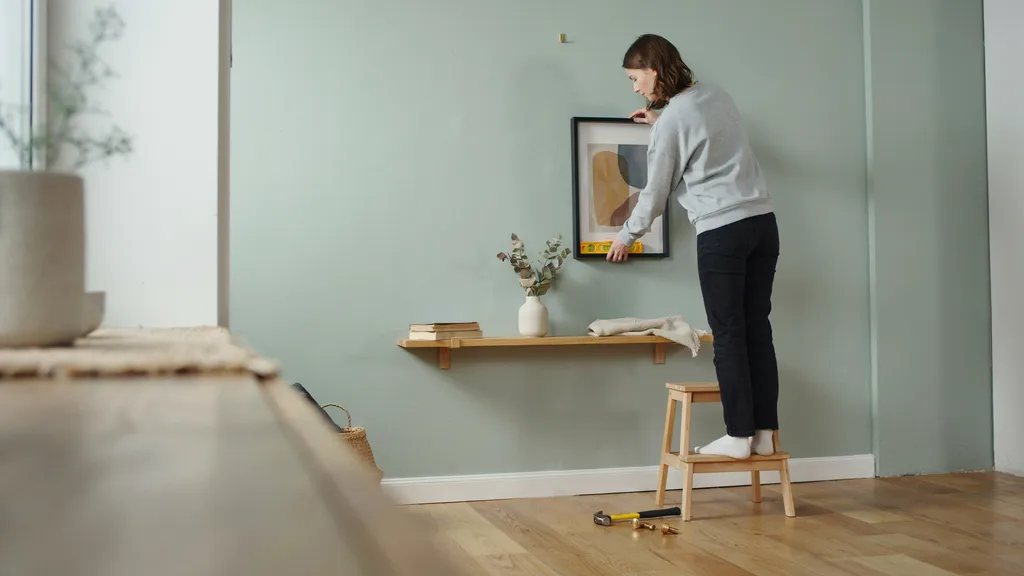
Knowing how to hang a picture properly can completely transform the appearance of a room. A well-placed picture frame creates balance, adds personality, and makes a house feel more like home. However, hanging pictures is not as simple as putting a nail in the wall and placing a frame on it. Incorrect positioning can make a room look unorganized, while improper installation can result in damaged walls, crooked artwork, or even broken frames.
Whether you are decorating your living room, bedroom, office, hallway, or dining area, understanding the proper techniques for hanging pictures helps create a polished and professional appearance. The process involves selecting the right location, choosing the correct hardware, measuring carefully, and ensuring the picture remains level and secure.
This comprehensive guide explains everything you need to know about hanging pictures on different wall surfaces, choosing the best tools, and creating attractive wall arrangements that enhance your home’s interior design.
Why Proper Picture Hanging Matters
Pictures are more than decorative items. They tell stories, display memories, and bring warmth and character to any living space. Proper picture placement improves both the aesthetic appeal and functionality of a room.
Correctly hung pictures can:
- Create visual balance
- Make rooms appear larger
- Add personality and style
- Highlight architectural features
- Improve interior design
- Draw attention to focal points
- Prevent wall damage and accidents
A poorly hung picture, on the other hand, can make even a beautifully decorated room look unfinished.
Tools You Need to Hang a Picture
Before beginning the installation process, gather the proper tools. Having everything ready ensures a smooth and accurate hanging experience.
Essential tools include:
- Measuring tape
- Pencil
- Hammer
- Nails
- Screws
- Wall anchors
- Level
- Stud finder
- Picture hanging hooks
- Command strips for damage-free hanging
Using the right tools helps ensure your picture remains secure and perfectly aligned.
Step 1: Choose the Perfect Location
The first step in hanging a picture is selecting the right location. The position of your artwork has a major impact on the room’s overall appearance.
Interior designers generally recommend hanging artwork at eye level, which is approximately 57 to 60 inches from the floor to the center of the picture.
This guideline works well because it places artwork where it can be comfortably viewed without looking too high or too low.
When choosing a location, consider:
- Furniture placement
- Room lighting
- Wall size
- Existing decorations
- Viewing distance
Pictures should complement the room rather than overwhelm it.
Step 2: Measure the Wall Carefully
Proper measurements prevent unnecessary nail holes and ensure accurate placement.
Measure:
- The width of the wall.
- The dimensions of the picture frame.
- The desired distance from furniture.
When hanging a picture above furniture such as a sofa or console table, leave approximately 6 to 10 inches of space between the furniture and the bottom of the frame.
This creates a visually connected and balanced design.
Step 3: Determine the Hanging Point
Many people make the mistake of measuring only the frame dimensions. Instead, you must determine the actual hanging point.
Measure the distance between:
- The top of the frame
- The hanging wire or hook
This measurement allows you to mark the exact position where the nail or hook should be installed.
Accurate measurements are essential for achieving professional-looking results.
Step 4: Use a Level
Nothing ruins wall decor faster than a crooked picture.
After marking the installation point:
- Place the nail or hook.
- Hang the frame.
- Use a level to ensure perfect alignment.
Even a slight tilt can be noticeable and affect the room’s appearance.
A level helps achieve straight, clean, and symmetrical picture placement.
How to Hang a Picture on Drywall
Drywall is one of the most common wall materials found in homes.
For lightweight frames:
- Small nails
- Adhesive strips
- Picture hooks
For heavier frames:
- Wall anchors
- Screws
- Stud mounting
Drywall can become damaged if excessive weight is placed on simple nails.
Always consider the frame’s weight before selecting hardware.
How to Hang a Picture on Plaster Walls
Plaster walls are more delicate and can crack easily.
For plaster walls:
- Use picture hooks specifically designed for plaster.
- Drill carefully.
- Use masonry bits if necessary.
- Avoid hammering large nails directly into the plaster.
Patience and proper tools are essential when working with plaster surfaces.
How to Hang a Picture on Brick Walls
Brick walls require special installation methods.
Necessary tools include:
- Power drill
- Masonry drill bit
- Wall plugs
- Screws
Mark the location carefully and drill slowly to avoid damaging the brick.
Brick walls provide excellent support for heavy artwork and large decorative pieces.
How to Hang a Heavy Picture Safely
Large mirrors, oversized artwork, and heavy picture frames require extra support.
For heavy items:
- Locate wall studs.
- Use heavy-duty anchors.
- Install screws directly into studs whenever possible.
- Use double hooks for better weight distribution.
Proper support prevents pictures from falling and protects both your wall and your artwork.
How to Hang Multiple Pictures
Gallery walls have become one of the most popular home decorating trends.
To create an attractive gallery wall:
- Arrange frames on the floor first.
- Experiment with spacing.
- Keep equal distances between frames.
- Start with the largest frame in the center.
- Build outward symmetrically.
Maintain approximately 2 to 3 inches of spacing between frames to achieve a cohesive and balanced appearance.
Gallery walls work beautifully in:
- Living rooms
- Hallways
- Bedrooms
- Staircases
- Home offices
Common Picture Hanging Mistakes to Avoid
Hanging Pictures Too High
Pictures placed near the ceiling create visual imbalance and disconnect the artwork from the room.
Ignoring Measurements
Guesswork often leads to uneven placement and unnecessary holes in the wall.
Using Incorrect Hardware
Light hooks may fail under heavy frames.
Not Using a Level
Crooked pictures immediately draw attention for the wrong reasons.
Overcrowding the Wall
Too many frames can make a room feel cluttered and chaotic.
Avoiding these mistakes helps create a clean and professional display.
Tips for Professional Picture Placement
Center Artwork at Eye Level
This creates comfortable viewing and balanced room design.
Match Picture Size to Furniture
Pictures should generally occupy approximately two-thirds of the furniture width beneath them.
Consider Lighting
Natural and artificial lighting can enhance artwork and improve visual impact.
Maintain Consistent Spacing
Uniform spacing creates harmony and organization.
Use Templates
Paper templates allow you to experiment with placement before making permanent holes.
These simple techniques can dramatically improve your wall decor.
Benefits of Properly Hung Pictures
A carefully arranged picture display offers numerous advantages:
- Improves room aesthetics
- Adds personality and warmth
- Creates visual interest
- Increases perceived home value
- Highlights architectural features
- Makes spaces feel inviting and complete
Thoughtfully hung pictures can transform even the simplest room into an elegant and welcoming environment.
Conclusion
Learning how to hang a picture correctly is an essential home decorating skill that combines measurement, balance, and creativity. Proper picture placement enhances the appearance of any room and allows artwork and photographs to become meaningful focal points within your home. By selecting the right location, using appropriate hardware, measuring carefully, and ensuring each frame is level, you can create beautiful wall displays that look professionally designed.
Whether you are hanging a single family photograph or designing an elaborate gallery wall, taking the time to install pictures correctly ensures safety, visual harmony, and long-lasting results. With the right techniques and tools, anyone can transform empty walls into attractive and personalized living spaces.
Frequently Asked Questions (FAQ)
What is the proper height for hanging a picture?
The center of the picture should usually be positioned approximately 57 to 60 inches from the floor.
How far above furniture should a picture be hung?
Leave approximately 6 to 10 inches between the furniture and the bottom of the frame.
How do I hang a heavy picture safely?
Use wall studs, heavy-duty anchors, and strong screws designed for heavy loads.
Can I hang pictures without nails?
Yes. Adhesive strips and removable hooks allow damage-free picture hanging.
How far apart should gallery wall frames be?
Most designers recommend spacing frames approximately 2 to 3 inches apart.
Why do my pictures always look crooked?
Improper measurements and failing to use a level are the most common reasons.
Can I hang pictures on brick walls?
Yes. Use a power drill, masonry bits, wall plugs, and screws designed for masonry surfaces.